
What Does “Viet Kieu” Mean? Definition, Origins & Who Qualifies (2026)
If you have come across the term Viet Kieu and wondered exactly what it means, who it refers to, and why it matters, this guide gives you the complete answer. In short, Viet Kieu (Việt Kiều) means an overseas Vietnamese person — someone of Vietnamese origin who lives outside Vietnam. Below we break down the literal translation, who qualifies, how the word differs from related terms, and — crucially for many readers — what the label means for your right to own property, inherit, and invest back home in Vietnam.
Table of Contents
What Does "Viet Kieu" Mean?
Viet Kieu (written Việt Kiều in Vietnamese) refers to a member of the Vietnamese diaspora — a person of Vietnamese ancestry who lives permanently or long-term in another country. The term covers an estimated 5.3 million people worldwide, from second-generation Vietnamese-Americans to recent migrants in Australia, Canada, France, Germany, Japan and beyond.
Whether a person still holds Vietnamese nationality or has since naturalised elsewhere, if they are ethnically Vietnamese and living abroad, they are commonly described as Viet Kieu.
The Literal Translation and Pronunciation
The word is made of two parts:
- Việt — Vietnamese (the people, language and nation).
- Kiều — a classical Sino-Vietnamese word meaning ‘to sojourn’ or ‘to reside away from home.’
Put together, Việt Kiều literally means ‘Vietnamese sojourner’ or ‘Vietnamese residing abroad.’ It is pronounced roughly vee-uht kee-oh. In formal and legal documents you will also see the fuller phrase người Việt Nam ở nước ngoài (‘Vietnamese people living overseas’), which the government prefers in official policy.
Who Counts as a Viet Kieu?
The label is used broadly. In everyday use it generally includes:
- Vietnamese citizens living, working or studying abroad long-term.
- Former Vietnamese citizens who have naturalised as citizens of another country.
- People of Vietnamese origin born overseas — the second and third generations.
- Those who left after 1975 and their descendants, historically the largest single wave of the diaspora.
What ties them together is Vietnamese origin plus a life outside Vietnam. Vietnamese law, however, draws a sharper line than casual language does — and that legal distinction is exactly what decides your rights when you deal with property or inheritance, as we explain below.
Viet Kieu vs. Overseas Vietnamese vs. Vietnamese Diaspora
These terms are often used interchangeably, but each has its own flavour:
| Term | What it means | Where you hear it |
|---|---|---|
| Viet Kieu (Việt Kiều) | Everyday Vietnamese word for overseas Vietnamese | Casual speech, media |
| Overseas Vietnamese | The neutral English translation | English media, community groups |
| Người Việt Nam ở nước ngoài | The formal legal phrase | Government, law, official documents |
| Vietnamese diaspora | The academic / demographic term | Research, journalism |
In practice they all describe the same population. ‘Viet Kieu’ is simply the most common, colloquial label.
How Many Viet Kieu Are There? (By Country)
An estimated 5.3 million or more Vietnamese live abroad. The largest communities are:
- United States — roughly 2.2 million, by far the biggest Viet Kieu population.
- Cambodia, France and Australia — several hundred thousand each.
- Canada, Germany, South Korea, Japan and Taiwan — large and fast-growing communities.
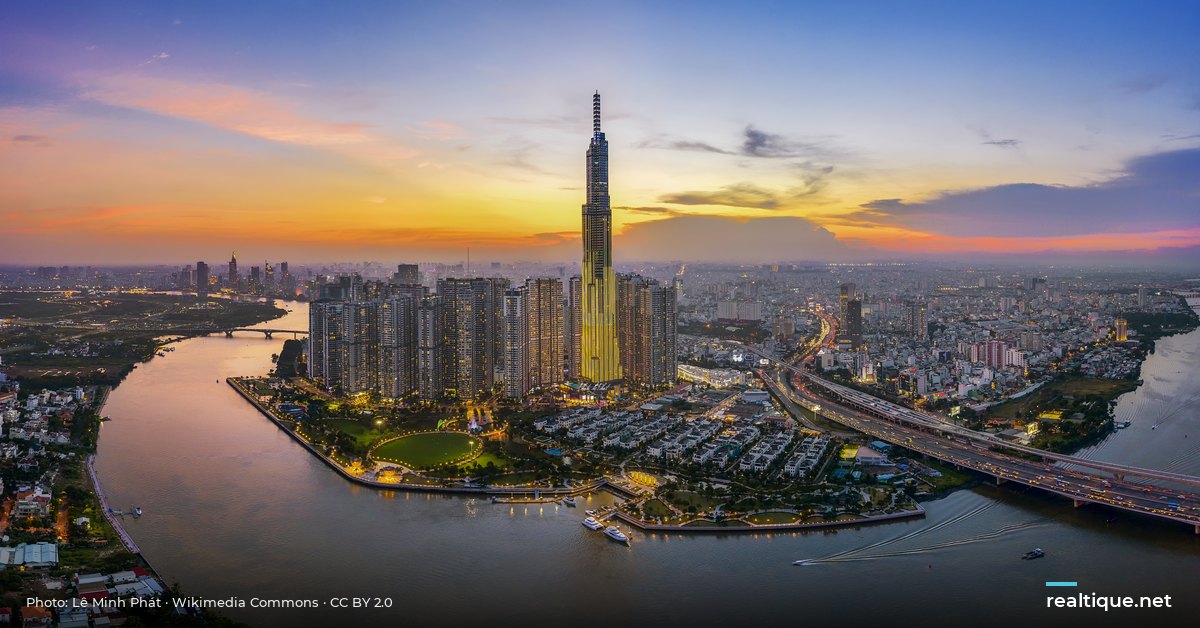
Together this diaspora sends home tens of billions of US dollars in remittances every year, and it has become an increasingly important source of property investment in Ho Chi Minh City and other major cities.
A Brief History: How the Viet Kieu Diaspora Formed
The modern Viet Kieu community grew out of several distinct waves of migration:
- 1975 and after — the end of the war triggered the largest exodus, including the ‘boat people,’ who resettled mainly in the United States, Australia, Canada and France.
- 1980s–1990s — family reunification and orderly departure programmes brought hundreds of thousands more to join relatives abroad.
- 2000s to today — a newer, voluntary wave of students, skilled workers and investors who move abroad while keeping strong ties to Vietnam.
This history is why the community is so diverse: a 70-year-old who left by boat and a 25-year-old graduate in Sydney are both Viet Kieu, yet their relationship with Vietnam — and often their nationality status — can be very different. That difference is central to how the law treats them today.
Viet Kieu and Remittances: The Economic Bridge
The Viet Kieu community is not only a cultural bridge but an economic one. Overseas Vietnamese remit tens of billions of US dollars home each year — among the highest remittance inflows of any country in the region — and Ho Chi Minh City consistently receives the largest share. A growing portion of that money no longer goes only to family support; it flows into property, from apartments for retired parents to investment units that the owner rents out or holds for capital growth. This is precisely why the legal definition of Viet Kieu — and the rights attached to each status — has become such a practical, high-stakes question for so many families.
Is "Viet Kieu" Polite or Offensive?
For most people the term is neutral and widely accepted — it appears in newspapers, government policy and daily conversation without any negative charge. That said, a minority of overseas Vietnamese feel the word can carry a faint ‘outsider’ connotation, as though they are no longer fully Vietnamese. Context and tone matter. When in doubt, ‘overseas Vietnamese’ or ‘người Việt ở nước ngoài’ is a safe, respectful alternative. At Realtique we use ‘Viet Kieu’ the way it is used officially: to mean, simply, Vietnamese people living abroad.
Why the Term Matters for Property and Legal Rights
Here is where the definition stops being academic. Under Vietnam’s 2024 Land Law (effective 1 January 2025), your rights to own, inherit and invest in property depend on which kind of Viet Kieu you are:
- If you still hold Vietnamese nationality, you are treated essentially like any domestic citizen — you can own homes, and even land-use rights, in your own name.
- If you are of Vietnamese origin but no longer hold nationality, your rights are narrower and closer to those of a foreign buyer.
This single distinction shapes everything: how you inherit a family home, the tax on renting it out, and how you legally transfer money into Vietnam to pay for it. If you are exploring buying back home, the best place to start is our complete Viet Kieu guide to buying property in Vietnam.
Two practical next steps follow from that distinction. If you were born Vietnamese but no longer hold the nationality, reclaiming Vietnamese citizenship is what moves you into the first tier, with full ownership in your own name. And whichever tier you are in, the purchase itself follows the same sequence — reservation, deposit, sale contract, handover, pink book — which we walk through in our step-by-step guide to buying property in Vietnam.
If you hold Vietnamese nationality you can buy any of these in your own name; if you no longer do, the foreign-quota status noted on each card is what matters.

Masteri Park Place — The Global City
Masterise Homes’ township in East Saigon: foreign quota open, Viet Kieu with nationality buy as citizens; our pillar guide with layouts and pricing basis.
Read the guide →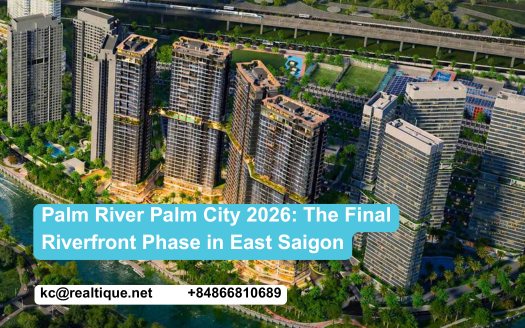
Palm River — Palm City, District 2
The final riverfront phase next to Thu Thiem, now in booking stage; foreign quota not yet confirmed, so Viet Kieu with Vietnamese nationality are the natural buyers.
Read the guide →
Imperia Sensa Park — East Saigon (MIK Group)
Two water frontages, 28% building density, 922 apartments from 35 m² studios; foreign quota open and construction started August 2026.
Read the guide →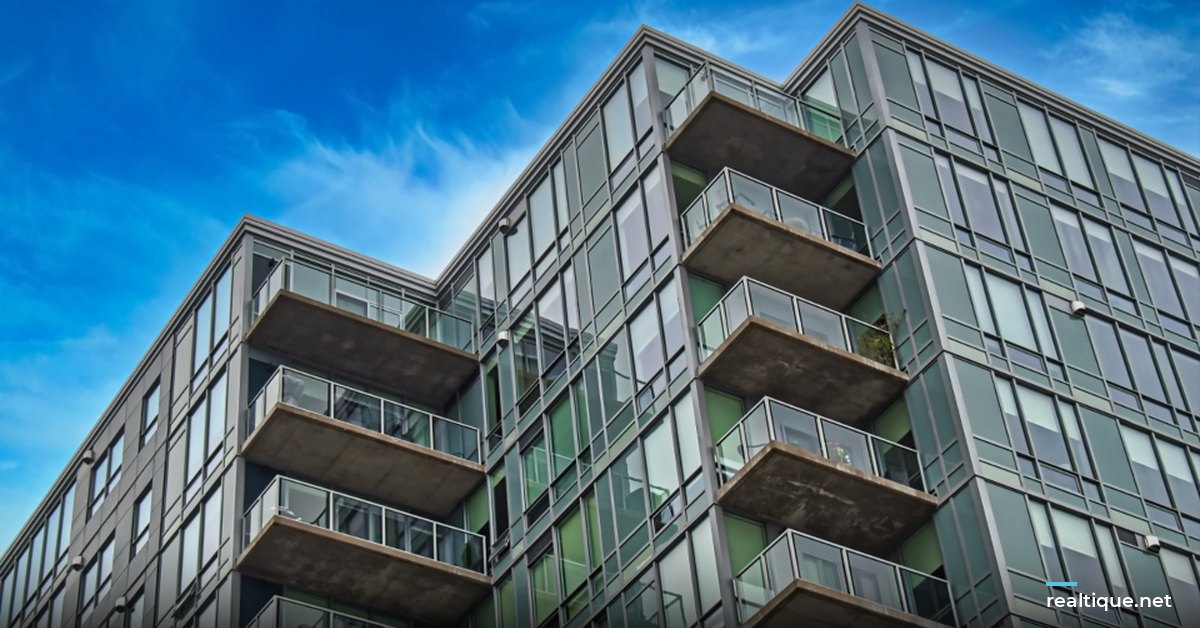
Frequently Asked Questions
1. What does Viet Kieu mean in English?
Viet Kieu means ‘overseas Vietnamese’ — a person of Vietnamese origin who lives outside Vietnam, whether or not they still hold Vietnamese nationality.
2. How do you pronounce Viet Kieu?
Roughly vee-uht kee-oh. In Vietnamese it is written Việt Kiều.
3. Is Viet Kieu the same as Vietnamese-American?
Vietnamese-Americans are one large group within the Viet Kieu community. Viet Kieu is the wider term covering the diaspora in every country.
4. Can a Viet Kieu get Vietnamese citizenship back?
In many cases, yes. Those with a Vietnamese birth certificate can often restore nationality and reclaim a CCCD ID — which unlocks full ownership rights. See our 2024 Land Law guide for the pathway.
5. Can Viet Kieu buy property in Vietnam?
Yes. What you can buy — and whether in your own name — depends on your nationality status. Our complete guide walks through every route.
6. Is calling someone Viet Kieu rude?
Generally no — it is a standard, neutral term. If you want to be extra careful, ‘overseas Vietnamese’ is always safe.
7. Do Viet Kieu have to pay tax in Vietnam?
Only on Vietnam-sourced income — for example, rent from a property you own here. Our rental income tax guide explains the current thresholds and how to declare.
8. What is the formal legal term for Viet Kieu?
In law and government documents it is người Việt Nam ở nước ngoài — ‘Vietnamese people residing abroad.’
How Realtique Helps Viet Kieu
Understanding the word is the easy part; acting on it from another country is where most overseas Vietnamese get stuck. Realtique works with Viet Kieu clients every week, and we handle the parts that are hard to do from abroad:
- Rights-tier check — we confirm, from your nationality and paperwork, exactly what you are legally allowed to own, so you never sign for something you cannot hold.
- Nationality restoration — if reclaiming Vietnamese citizenship would unlock full ownership for you, we can manage that process end to end.
- Property search and due diligence — verified projects and resale units, with the pink-book and legal status checked before you commit.
- Remittance, tax and handover — we coordinate the legal money transfer, rental-tax registration and closing so everything is clean and in your name.
Wherever you are in the world, you deal with one accountable team in Ho Chi Minh City — not a chain of strangers.
Thinking About Property Back Home? Talk to Realtique
From confirming your rights tier to closing in your own name — we guide overseas Vietnamese end to end.
Start your journey. Leave your name and email — a Realtique specialist will reach out. Or email [email protected].
Planning to buy, not just researching status? Start with The Property Buying Process in Vietnam — then talk to a Realtique advisor.
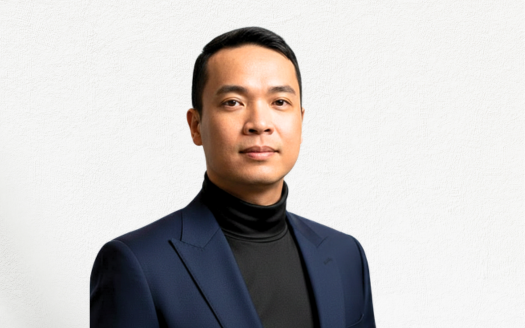
KC and the Realtique team help overseas Vietnamese buy, inherit, rent out and manage property in Vietnam — safely, and in their own name.