
Advanced Search

Your search results

Ho Chi Minh City Metro & Property Value: What Foreign Buyers Should Know (2026)

Posted by Khoi Pham on July 6, 2026
0 Comments

Public transport has done more to reshape Ho Chi Minh City’s property map in the last few years than any single development. Metro Line 1 — the city’s first — opened in early 2025 and immediately changed how residents, tenants and investors think about location. For a foreign buyer, understanding the metro is one of the clearest, most reliable ways to pick an area with built-in demand and long-run growth.

This guide covers Line 1’s route, the transit-oriented-development premium, which neighbourhoods benefit most, the future network, and a practical checklist for buying near a station.

Table of Contents
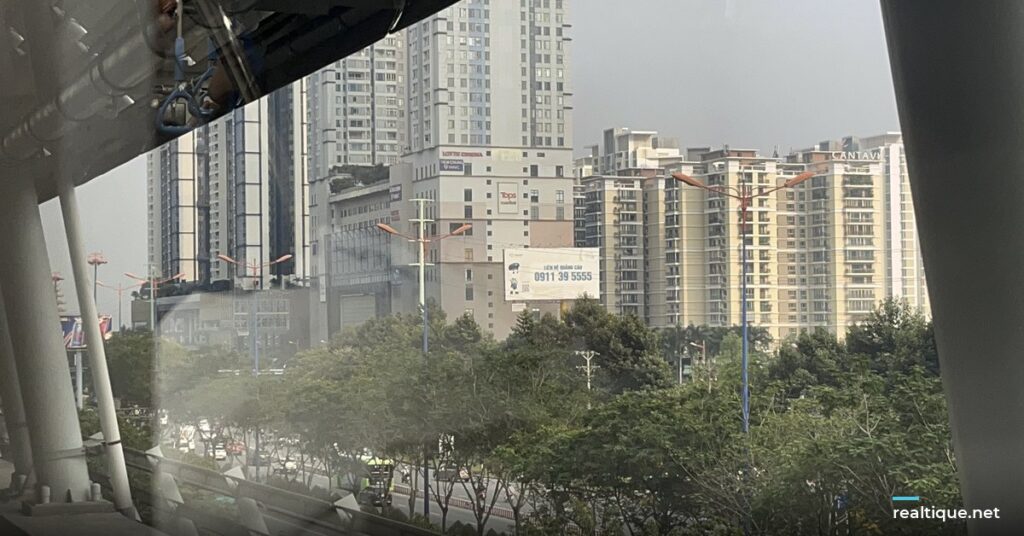
Ho Chi Minh City Metro Line 1
A Metro Line 1 train in Ho Chi Minh City. (Photo: Xuanphuocle, CC0, via Wikimedia Commons)

Metro Line 1 — the route

Metro Line 1 runs from Ben Thanh in the heart of District 1, under the river-side core and out along the eastern corridor through Binh Thanh, Thao Dien and An Phu, to Suoi Tien and the eastern edge of Thu Duc City. In one stroke it connected the historic centre, the expat heartland and the eastern growth zone with a fast, reliable, air-conditioned service — something the traffic-choked city had never had. After years of construction, its opening marked a genuine turning point for the corridor it serves.

The transit-oriented-development premium

Around the world, property within walking distance of a rail station carries a measurable premium — the transit-oriented-development, or TOD, effect — and Ho Chi Minh City is proving no exception. A car-free commute is a scarce luxury in this city, so apartments a short walk from a Line 1 station let faster, hold occupancy better and command higher rents and resale values than otherwise comparable stock further away. For a foreign buyer, buying within that walkable radius is one of the simplest ways to build demand resilience into a purchase.

Which areas benefit most

The clearest winners are the neighbourhoods the line actually serves: Thao Dien and An Phu, where stations put the expat heartland minutes from the centre; Binh Thanh, around the riverside estates; and the eastern stretch toward Vinhomes Grand Park, where a planned connection extends the benefit. Buildings marketed on their metro proximity — Masteri Thao Dien is the textbook case — have seen that access translate directly into rental strength.

The future network

Line 1 is the first of a planned multi-line network. Line 2 (Ben Thanh to Tham Luong) is progressing, and further lines are on the city’s long-range map to knit together the centre, the south and the north-west over the coming decade. Each new line will create its own set of TOD winners; buyers who track the planned alignments can position ahead of the premium rather than pay for it after the fact.

How the metro changes rental demand

For tenants — especially younger professionals and expats without a car — a nearby station is increasingly a top search criterion. That shifts rental demand toward metro-served buildings and supports both occupancy and rent growth there. For an investor, a station within walking distance widens the tenant pool and shortens vacancy, which is precisely the combination that protects income through the cycle.

How the metro changes resale

Resale buyers value the same access, so metro proximity supports liquidity and price on exit as well as rent along the way. As the network expands and car ownership stays constrained by congestion and cost, the premium on walkable-to-station stock is likely to deepen rather than fade. In a market where many buildings look similar, a genuine metro-access advantage is a durable point of differentiation.

The risks to weigh

The main risk with metro-led buying is timing on future lines: alignments can shift and construction can slip, so paying a premium today for a station that is years away carries real uncertainty. The safest approach is to prioritise the operating Line 1 and its confirmed extensions, and to treat future-line proximity as upside rather than the basis of the purchase. Verify that a building’s advertised station is genuinely within an easy walk, not a marketing stretch.

Metro-served versus road-dependent areas
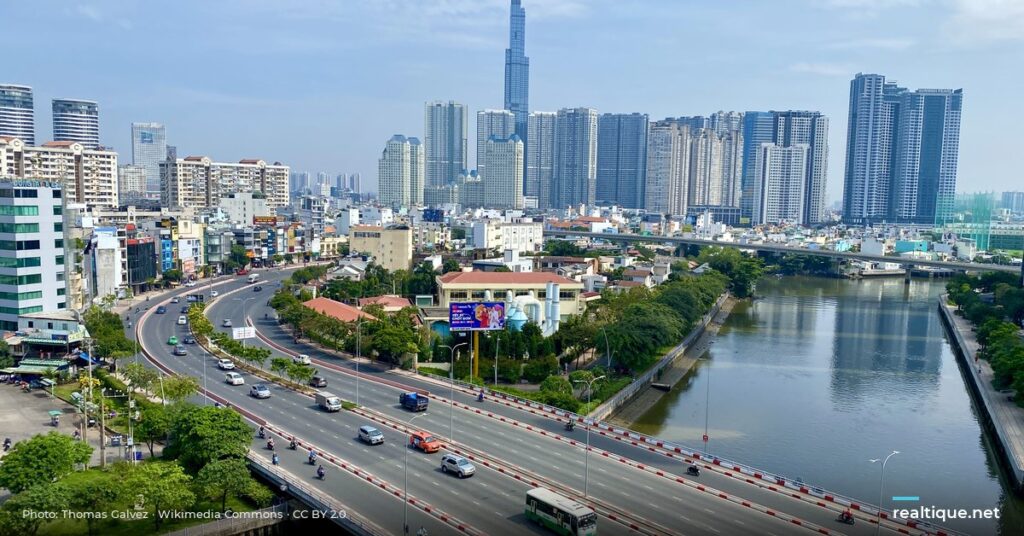
Ben Thanh metro station
Ben Thanh, the central metro interchange. (Photo: Xuanphuocle, CC0, via Wikimedia Commons)
The metro sharpens a distinction that already mattered: areas with rail access versus those without. Districts like Phu My Hung, self-contained but road-dependent, compete on completeness and amenity; metro-served areas compete on connectivity. Neither is automatically better, but for tenants who commute and for long-run value, the ability to reach the centre without a car is a growing advantage that the metro map now makes explicit.

A practical metro-buying checklist

When buying the metro, confirm four things: the station is genuinely walkable (not a long, hot detour); the building is well-managed and the unit well-positioned, so it benefits fully from the access; the developer’s paperwork and the building’s foreign quota are in order; and the line in question is operating or firmly funded, not merely proposed. Get those right and metro proximity becomes a durable demand advantage rather than a marketing line.

Who this matters for

Metro-led buying matters most for the yield-focused investor who wants low vacancy and steady rent growth, and for any buyer with a longer horizon betting on the network reshaping the city. Owner-occupiers who value a car-free commute benefit directly too. Across all of them, walkable station access is one of the few location signals that reliably supports both rent and resale.

The evidence from Line 1’s first year

Since Line 1 began carrying passengers, the pattern has been familiar to anyone who has watched a first metro line open elsewhere in Asia: ridership climbs as habits form, and the buildings closest to stations become the ones tenants ask for by name. Agents report that walkable-to-station stock lets faster and holds rents better, and developers now put metro proximity front and centre in their marketing for exactly that reason. The signal is early but consistent — access to the line is becoming a genuine differentiator in a market where many towers otherwise look alike.

Common metro-buying mistakes

Two mistakes recur. The first is trusting a marketing map: a station shown ‘nearby’ can be an unpleasant fifteen-minute walk in the heat across a busy road, which tenants quietly discount. The second is overpaying today for a future line that is still years, or a redesign, away from opening. The fix for both is to verify on the ground — walk the actual route to the station — and to anchor value on lines that are operating or firmly funded, treating anything more speculative as a bonus rather than the reason to buy.

The eligibility rule still applies

Buying near the metro does not change the ownership framework: foreigners may own apartments within a 30% per-building cap on a 50-year renewable title, not land or landed houses. The metro simply helps you choose which apartment. As always, we confirm the remaining foreign quota and the developer’s legal status on the specific building — and check that the advertised metro access is real — before you proceed.

Frequently asked questions

Does being near the metro increase property value in Ho Chi Minh City?
Yes — walkable proximity to a Metro Line 1 station supports higher rents, lower vacancy and stronger resale, the transit-oriented-development premium seen in cities worldwide and now emerging clearly here.

When did Ho Chi Minh City’s metro open?
Metro Line 1 (Ben Thanh–Suoi Tien) opened in early 2025, connecting District 1 with Binh Thanh, Thao Dien, An Phu and the eastern corridor of Thu Duc City.

Which areas does Metro Line 1 serve?
It runs from Ben Thanh in District 1 out through Binh Thanh, Thao Dien and An Phu to Suoi Tien on the eastern edge of Thu Duc City, with a planned extension toward Vinhomes Grand Park.

Should I buy an apartment near a future metro line?
Prioritise the operating Line 1 and confirmed extensions. Treat future, unbuilt lines as upside rather than the basis of a purchase, since alignments and timelines can change.

KC Pham - Realtique
YOUR ADVISOR
KC Pham
CEO, Realtique

KC and the Realtique team help international buyers pick the right Ho Chi Minh City neighbourhood — matching lifestyle, budget, rental yield and foreign-ownership eligibility, then handling the purchase end to end.

Free Consultation

Want to target a metro-connected apartment?

Realtique guides international buyers end to end — area selection, eligibility, quota, due diligence, legal transfer and the pink book.

AREA MATCH
ELIGIBILITY CHECK
DUE DILIGENCE

Start today. Leave your name and email — a Realtique specialist will reach out. Or email [email protected].

Compare Listings