
Long-Term Lease vs Sale & Purchase Agreement (SPA): How Foreigners Buy Houses, Villas & Coastal Property in Vietnam (2026)
For an international buyer, the most important sentence in Vietnamese property law is short: a foreigner can own the building, but not the land under it. For an apartment that barely matters. For a house, a villa or a coastal property, it changes everything, because it forces a choice between two very different contracts: a Sale & Purchase Agreement (SPA) that puts a pink book in your name, or a Long-Term Lease Agreement (LTLA) that gives you decades of use without the title. This guide explains both, and — more usefully — when an LTLA is actually the smarter move. It is part of our step-by-step guide to buying property in Vietnam.
Table of Contents
The one rule that changes everything
In Vietnam, all land is owned by the State; individuals and companies hold land-use rights, not the land itself. Vietnamese citizens can hold those rights indefinitely. Foreign individuals cannot — they may only own homes (the physical dwelling) on a 50-year, renewable leasehold, and only inside eligible commercial projects, subject to a foreign-ownership quota: up to 30% of the units in an apartment building, and no more than 10% of the landed houses in a single project.
That quota is the pinch point. Apartments are usually available, so foreigners buy them outright and receive a certificate (the “pink book”). But desirable villas, townhouses and coastal homes either fill their 10% landed quota quickly, or sit on land that was never licensed for foreign freehold at all. When a pink book is not on the table, the compliant way to secure and enjoy the property is a long-term lease. For a wider primer on ownership types, see leasehold vs freehold in Vietnam.
What a Sale & Purchase Agreement (SPA) gives you
An SPA is a purchase. You buy the home from a developer or an existing owner and, once registered, your name goes on the Certificate of Land-Use Rights and Home Ownership — for a foreigner, annotated with the 50-year renewable leasehold term. In practice an SPA gives you:
- A registered ownership certificate in your own name.
- The right to lease out, sell, gift or bequeath the home, within the rules for foreign owners.
- The cleanest possible resale, because you can sell to both foreigners (if quota remains) and Vietnamese buyers.
- The strongest basis for bank financing and for standard tax treatment.
This is the default, and the right answer for most foreigners buying an apartment. The question only becomes interesting for landed and coastal property.
What a Long-Term Lease Agreement (LTLA) gives you
An LTLA is a long lease — often structured to run up to 50 years, sometimes with renewal — of a specific home. You do not receive a pink book. Instead you hold a registered contractual right to occupy, use, renovate, lease out and (if the contract allows) assign the property. The land-use rights and the underlying certificate stay with the lessor: usually the developer, or in some cases a Vietnamese individual or company that holds clean title.
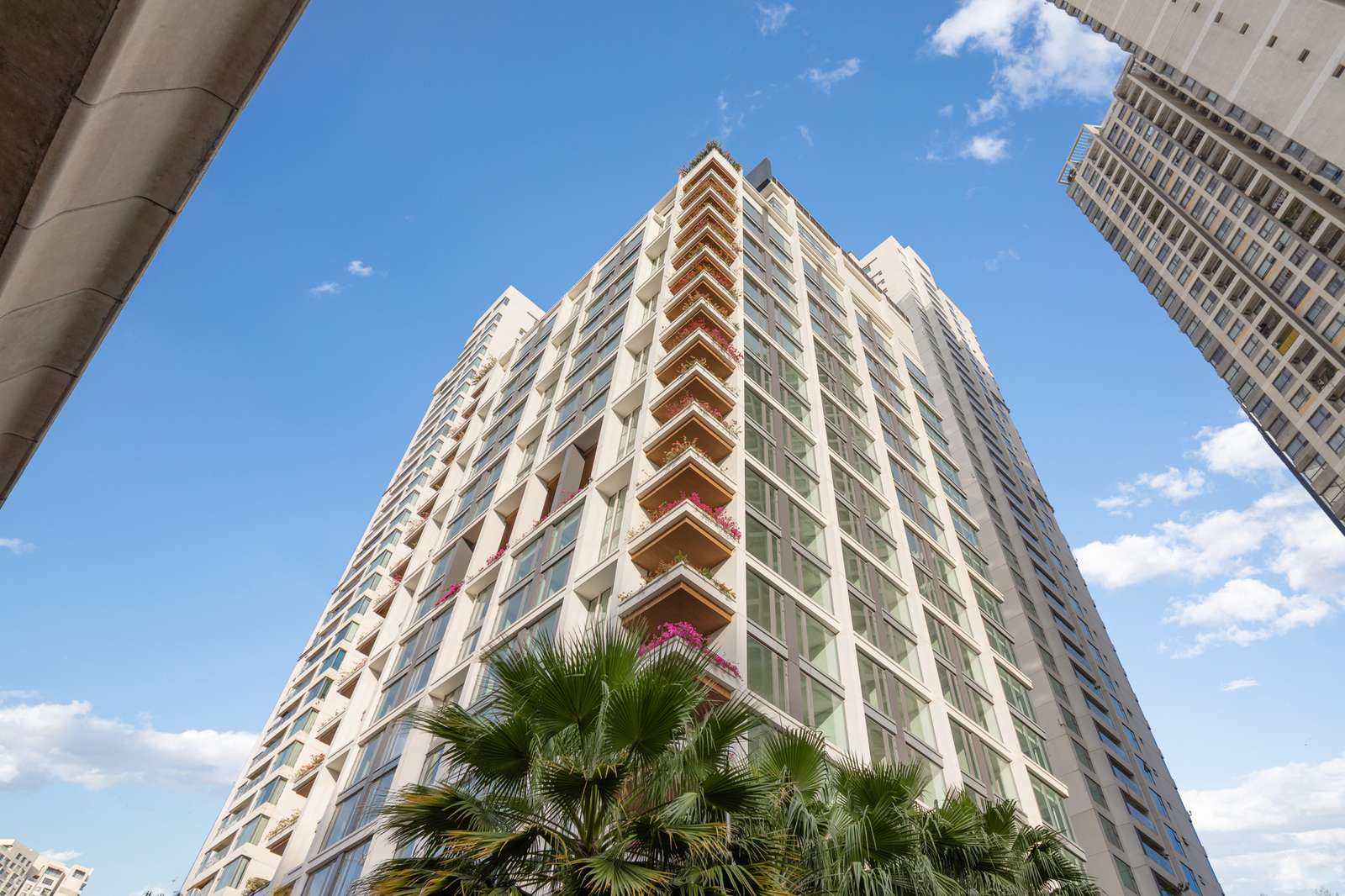
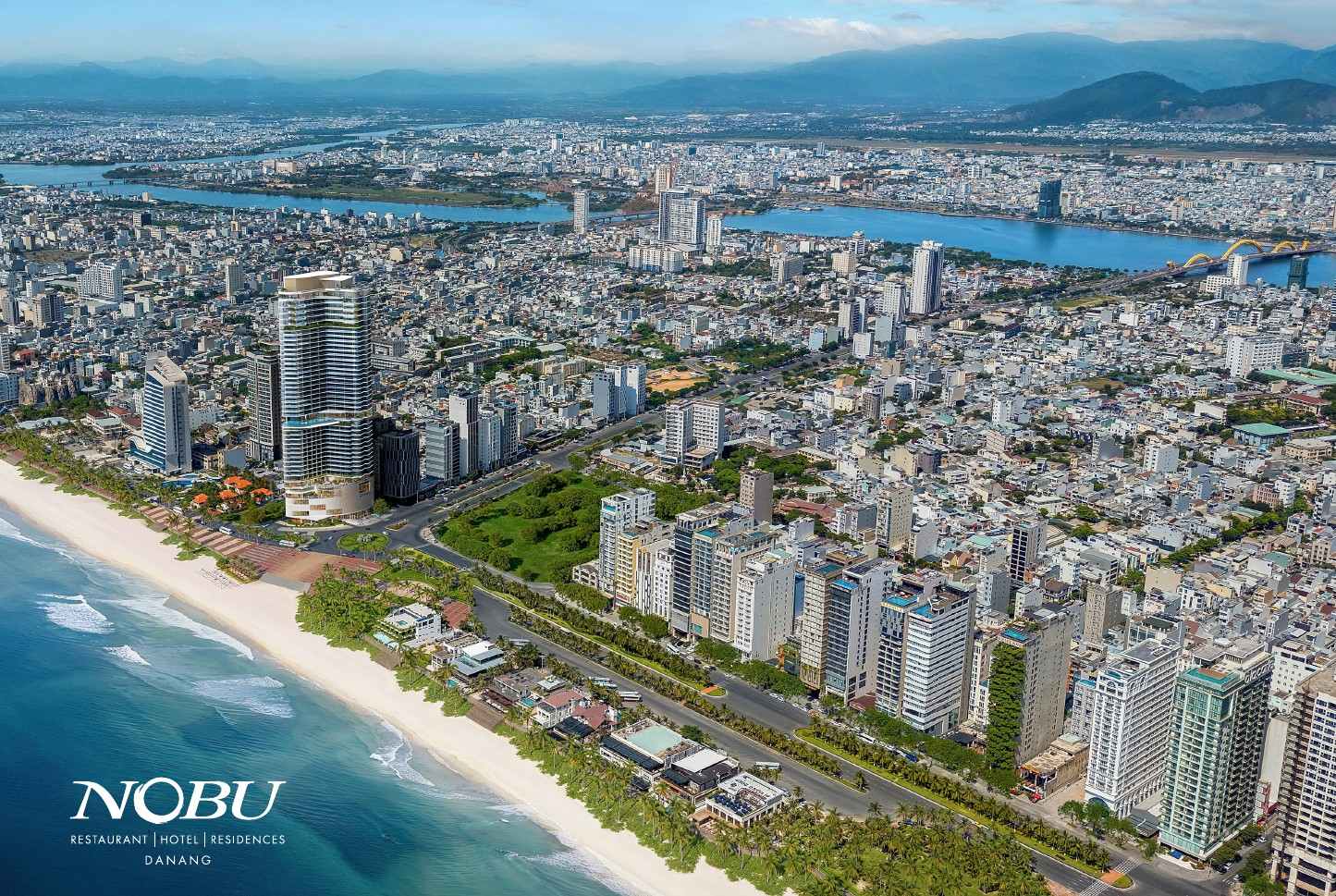
You are, in effect, buying time and use rather than the title. Done well, that is not a weakness — it is simply a different instrument, and for the right property it can be faster, cheaper and more liquid on exit than chasing a scarce foreign-quota unit. Projects such as The Berkley in Thao Dien and Nobu Residences Da Nang use exactly this structure for their foreign buyers.
LTLA vs SPA: side by side
| Feature | SPA (Purchase) | LTLA (Long-Term Lease) |
|---|---|---|
| What you receive | Ownership certificate (pink book) in your name | Registered long-lease contract; no pink book |
| Land | Home on 50-yr renewable leasehold; land stays with State | Land & title stay with the lessor throughout |
| Availability | Limited by the foreign quota (30% apts / 10% landed) | Not quota-limited — works where freehold is closed |
| Typical use | Apartments; landed within quota | Villas, townhouses, resort & coastal homes |
| Resale / transfer | Sell to foreigners (if quota) or Vietnamese | Assign the lease, if permitted — usually to a Vietnamese buyer |
| Inheritance | Transferable, within foreign-owner rules | Passes per the contract terms |
| Financing | Easier to mortgage | Harder; often a prepaid lump sum |
| Entry speed & cost | Slower; premium for scarce quota units | Often faster and lower entry cost |
| Best exit buyer | Foreign or local | Vietnamese buyer taking full freehold |
When to consider an LTLA
An LTLA is not a consolation prize. Here are the five situations where we actively recommend it to clients.
1. A landed home where foreign freehold is not available
When the 10% landed quota in a project is exhausted, or the project was never licensed for foreign freehold, an SPA is legally impossible for you. An LTLA is then the only compliant route to secure and live in that villa or townhouse — see, for example, the landed product at Rung Phuong, Eco Retreat Long An.
2. Coastal, beachfront and resort property
Much coastal and resort stock sits on tourism or commercial land, not residential land, so a residential pink book does not exist for anyone — local or foreign. Beach villas, condotels and resort homes such as those along the central coast are therefore sold on a long-term lease or usage basis. If you want a seafront home, the LTLA is usually the structure, not an exception to it.
3. When the eventual owner will be Vietnamese
If the end-user is a Vietnamese spouse, family member or partner who can hold the full freehold, an LTLA lets you fund and use the home now while the pink book ultimately rests where the law wants it. The Land Law 2024 (in force since 1 January 2025) also confirms that overseas Vietnamese who hold Vietnamese nationality are treated as citizens — so a Viet Kieu end-user can take clean freehold when the time comes.
Where Viet Kieu can own — Ho Chi Minh City to the coast
Wherever you are in the journey, here is where Viet Kieu buy — central Ho Chi Minh City to the coast:
Your status sets the ownership type: a Viet Kieu with Vietnamese residency or citizenship owns freehold, like a local (any project below). A Viet Kieu who is a foreign national buys within the 30% foreign quota or via long-term lease (the first three groups).
District 1 — Ho Chi Minh City
- One Central Saigon — Ritz-Carlton branded, foreign quota available
District 2 — East of Ho Chi Minh City
- SELLINGPalm River — riverside, opening Sept 2026 (foreign quota expected)
- SELLINGThe Global City — foreign quota available
- SELLINGGladia Heights by Keppel Land — foreign quota available
- RESALEDiamond Island — handed over, buy from current owners
- RESALEThao Dien Green — foreign-quota unit, resale
Coastal (foreign-eligible)
- Nobu Residences (Da Nang) — long-term lease resort
- Mandarin Oriental (Da Nang) — freehold for Vietnamese residents; long-term lease for non-residents
✓ Also yours freehold — if you hold Vietnamese residency or citizenship
These sell to domestic buyers (no foreign quota), but a Viet Kieu with residency owns them freehold, like a local:
- SELLINGBeachtro Tower — Blanca City, Vung Tau (final sea-view tower)
- SELLINGRung Phuong — Eco Retreat, Long An (low-rise, education hub)
- Haus Coastal — Quang Ngai (94ha coastal township)
Not sure which fits your status? Confirm your eligibility and live availability with a Realtique advisor — contact us or email [email protected].
4. A deliberate hold-and-resell to a local buyer
This is the strategy many seasoned investors use. You take a long lease on a villa or coastal home today, enjoy or rent it for the medium term, and plan your exit in 10 to 15 years by assigning or selling to a Vietnamese buyer, who then registers the full, indefinite freehold in their name. You capture the capital appreciation without ever needing the title yourself — and you sell into Vietnam’s deepest and most liquid pool of buyers, the domestic market, rather than the narrow foreign-quota segment. In practice this means your resale audience is far larger than it would be for a foreign-only freehold unit, which typically shortens time-on-market at exit.
5. Speed and cost of entry
Foreign-quota freehold units in prime projects are scarce and command a premium. Comparable homes on an LTLA are often more available and cheaper to enter, letting you deploy capital sooner and at a better basis.
When an outright purchase (SPA) wins
- You are buying an apartment in an eligible project with quota still open — take the freehold.
- You want a registered certificate in your own name for estate planning, or you intend to use bank financing.
- You value the flexibility of selling to either foreigners or locals on exit.
- Your holding horizon is long and you want the renewable 50-year leasehold documented in your name from day one.
The LTLA due-diligence checklist
A lease is only as good as the title behind it and the exit clause inside it. Before you sign, confirm:
- Who is the lessor? A reputable developer with a clean project title is very different from an individual. Verify the underlying red/pink book.
- Is the land title clean — correct land-use purpose, valid term, and free of mortgages or disputes?
- Is the lease notarised and registered, with the term, renewal mechanism and prepaid rent clearly stated?
- Assignment and sublease rights. Can you transfer the lease to a future buyer or tenant? This clause is what makes the resale strategy work — do not sign without it.
- Developer default and term expiry. What happens to your rights if the lessor defaults, or when the underlying land term ends?
- Tax and capital repatriation. Understand the cost on entry and exit and how you will move proceeds out of Vietnam.
Always have the lease reviewed by an independent, licensed Vietnamese property lawyer before any payment.
Frequently asked questions
Can a foreigner own a house or villa in Vietnam?
Only the building, and only within a project’s 10% landed foreign quota — never the land itself. Where that quota is closed, a long-term lease is the compliant way to hold and use a landed home.
Do I get a pink book with an LTLA?
No. An LTLA gives you a registered contractual right to use the property, not an ownership certificate. The pink book stays with the lessor who holds the title.
How long does a long-term lease run?
Commonly up to 50 years, sometimes with a renewal mechanism. The exact term and any renewal must be written into the contract — check it carefully.
Can I resell or transfer an LTLA property?
Yes, if the lease includes an assignment clause. The most common and liquid exit is a sale to a Vietnamese buyer, who can then register the full freehold.
Can I get a mortgage on a leased property?
It is harder than for a purchased apartment. LTLAs are frequently paid as a prepaid lump sum rather than financed, so plan your funding accordingly.
The Realtique bottom line
For apartments within quota, buy — the SPA and the pink book are the right tools. For villas, townhouses and coastal homes, and especially where your natural exit is a Vietnamese buyer, a well-structured LTLA is often the smarter, more liquid route into landed lifestyle property that would otherwise be closed to you. The instrument matters less than the fundamentals: clean title, a fair term, and an exit clause that lets you sell when you choose.
This article is general information for 2026 and not legal advice. Vietnam’s Housing Law and Land Law 2024 continue to be implemented through guiding regulations; always confirm your specific case with a licensed Vietnamese property lawyer.
Related guides
Buying a villa or coastal home in Vietnam?
Leave your details and a Realtique consultant will call you back within two working hours to review whether a long-term lease or an outright purchase fits your goals — and to run the due diligence with you.
📞 Hotline: (+84) 866 810 689

Grace Le
Grace helps international buyers structure the right agreement for houses, villas and coastal property in Vietnam — and completes the title and lease due diligence so you sign with confidence.