
New vs Resale Property in Vietnam: What Should a Foreign Buyer Choose? (2026)
Updated 2026. A practical, honest comparison for Viet Kieu and foreign buyers weighing a brand-new (primary) unit against a resale (secondary) one in Vietnam.
One of the first real decisions a foreign buyer faces in Vietnam is not where to buy, but which market to buy in: a shiny new launch straight from the developer, or a resale unit from an existing owner. Both are open to foreigners, both have a pink book, and both count against the same 30% quota. The right answer depends on your timeline, your cash flow, and how much you value seeing the finished product before you pay. Here is the full trade-off.
Table of Contents
Can Foreigners Buy Both New and Resale?
Yes. Vietnamese law lets foreign individuals own apartments in commercial projects whether bought new from the developer or resold on the secondary market, provided the building has not exceeded its 30% foreign-ownership cap. The one thing foreigners generally cannot buy is landed property with land-use rights (private houses on their own land); the discussion below is about apartments, where foreign ownership is well established. If you are still confirming your eligibility, start with can foreigners buy property in Vietnam.
Buying New (Primary Market)
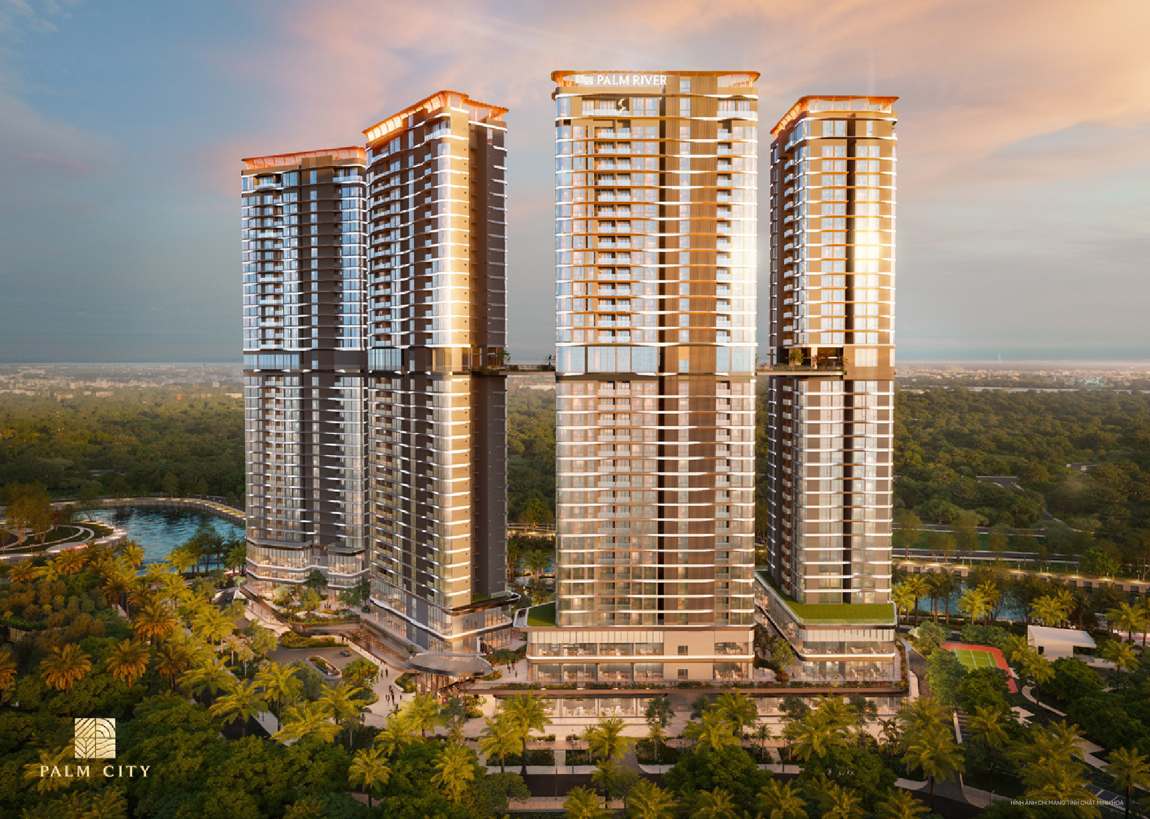
Buying new means purchasing directly from the developer, often off-plan before the building is finished. The appeal is obvious, but so are the trade-offs.
- Fresh quota slot: the developer allocates you one of the building’s foreign-ownership slots, so availability is clear at the point of sale.
- Staggered payments: you pay in tranches tied to construction progress, which eases cash flow versus paying the full price at once.
- Latest design & warranty: new layouts, new fittings, and a developer warranty on the unit.
- The catch: you buy on expectation. There is no finished apartment to inspect, handover dates can slip, and you carry construction risk until the building completes.
Buying Resale (Secondary Market)
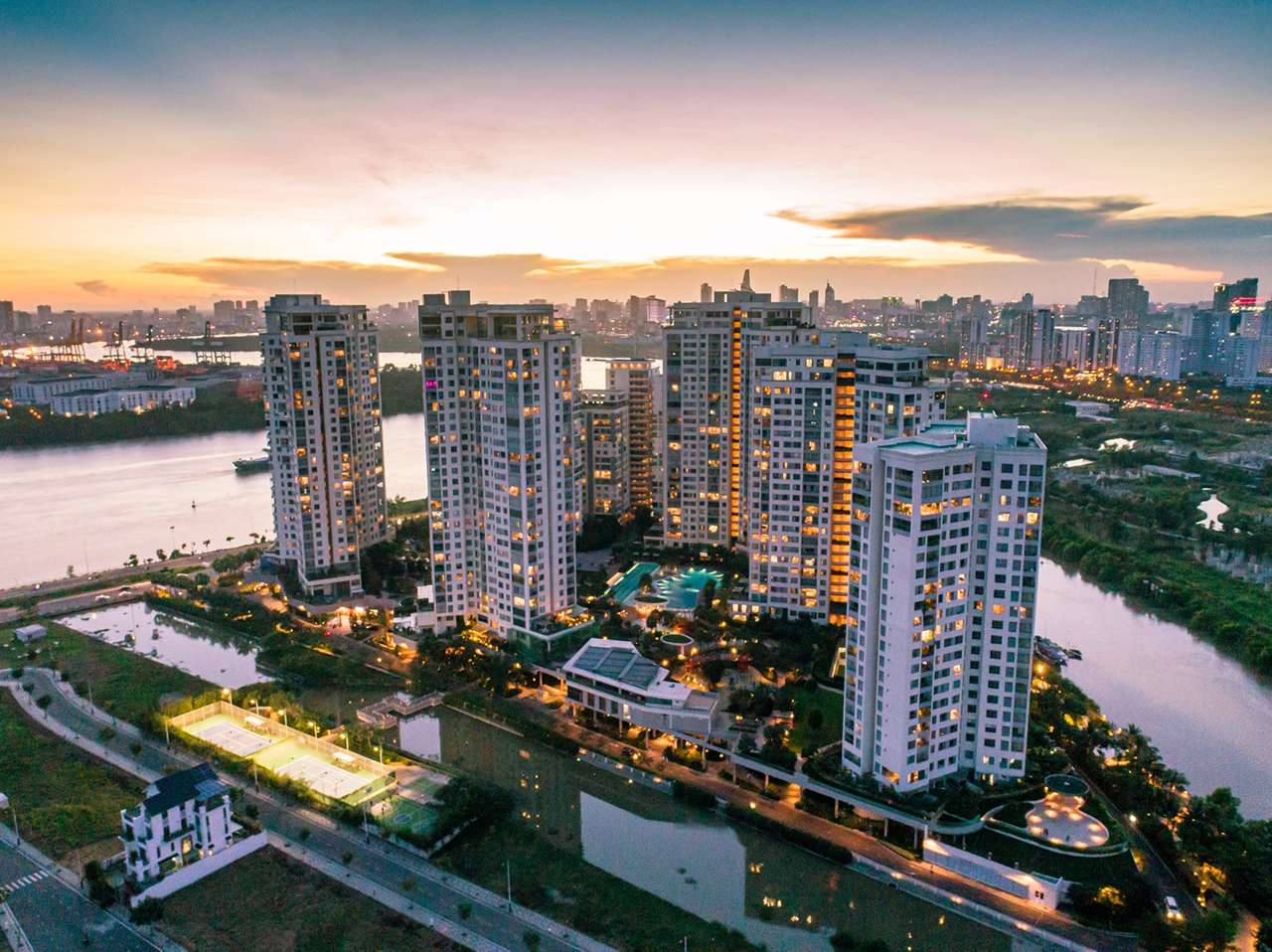
Resale means buying from an existing owner in a completed building. It removes construction risk but adds a different kind of homework.
- What you see is what you get: inspect the actual unit, the view, the floor, the finish and the building’s real management quality before you commit.
- Often better value: established buildings frequently trade below new-launch pricing per square metre, and you can move in or rent out immediately.
- Quota is the key check: confirm the building still has room under 30%, and whether the seller’s slot is transferable to a foreigner (a slot held by a Vietnamese does not automatically pass to a foreign buyer).
- The catch: full payment is due sooner, finishes may be dated, and the 2% transfer tax applies to the deal.
The Quota Angle: Why It Differs New vs Resale
On the primary market the developer tracks the 30% cap for you and simply tells you whether a foreign slot is available. On the secondary market you must verify it yourself: a foreign buyer can only take ownership if the building is still under 30% and the specific unit’s slot is available to foreigners. This is the single most common reason a resale deal falls through, so check it before you deposit. Our guide on the 30% foreign quota walks through exactly how to confirm it.
Price, Payment and Timing Compared
| New (primary) | Resale (secondary) | |
| Payment | Staged with construction | Largely upfront |
| Move-in | On completion (wait) | Immediate |
| Inspect first | No (off-plan) | Yes |
| Quota | Developer-managed | You must verify |
Which One Fits You?
Choose new if you want the latest product, a payment plan that spreads the cost, and guaranteed quota availability — and you are comfortable waiting for handover. Choose resale if you want to see exactly what you are buying, move in or earn rent immediately, and often pay less per square metre — provided the quota checks out. Investors chasing yield often prefer resale in a proven building; buyers who want the newest address and softer cash flow lean new. Whichever you pick, read the full property buying process before you sign.
A Worked Comparison
Picture the same two-bedroom apartment in one riverside building. As a new off-plan unit the developer prices it at, say, a headline figure with 30% due on signing and the balance across construction milestones — you wait about two years and cannot see the finished home. The resale equivalent one floor up, already handed over, might list a touch lower per square metre, is inspectable this weekend, and can be rented from next month — but you pay the full amount now and cover the 2% transfer tax. Same building, two very different cash-flow and risk profiles.
What About Financing?
Local bank mortgages in Vietnam are generally available to buyers with Vietnamese ID, so many foreign nationals buy in cash or arrange funds from abroad. New-build staged payments partly substitute for a mortgage by spreading the cost, which is one practical reason cash-conscious foreign buyers lean toward off-plan. If you hold Vietnamese residency, ask your bank about financing options before you choose.
Where Viet Kieu can own — Ho Chi Minh City to the coast
Ready to compare live options across both markets? Here is where Viet Kieu buy, central Ho Chi Minh City to the coast:
Your status sets the ownership type: a Viet Kieu with Vietnamese residency or citizenship owns freehold, like a local (any project below). A Viet Kieu who is a foreign national buys within the 30% foreign quota or via long-term lease (the first three groups).
District 1 — Ho Chi Minh City
- One Central Saigon — Ritz-Carlton branded, foreign quota available
District 2 — East of Ho Chi Minh City
- SELLINGPalm River — riverside, opening Sept 2026 (foreign quota expected)
- SELLINGThe Global City — foreign quota available
- SELLINGGladia Heights by Keppel Land — foreign quota available
- RESALEDiamond Island — handed over, buy from current owners
- RESALEThao Dien Green — foreign-quota unit, resale
Coastal (foreign-eligible)
- Nobu Residences (Da Nang) — long-term lease resort
- Mandarin Oriental (Da Nang) — freehold for Vietnamese residents; long-term lease for non-residents
✓ Also yours freehold — if you hold Vietnamese residency or citizenship
These sell to domestic buyers (no foreign quota), but a Viet Kieu with residency owns them freehold, like a local:
- SELLINGBeachtro Tower — Blanca City, Vung Tau (final sea-view tower)
- SELLINGRung Phuong — Eco Retreat, Long An (low-rise, education hub)
- Haus Coastal — Quang Ngai (94ha coastal township)
Not sure which fits your status? Confirm your eligibility and live availability with a Realtique advisor — contact us or email [email protected].
Frequently Asked Questions
Can foreigners buy resale apartments in Vietnam?
Yes, if the building is still under its 30% foreign cap and the unit’s slot is transferable to a foreigner.
Is new or resale cheaper?
Resale is often cheaper per square metre in established buildings; new offers staged payments that ease cash flow.
Do both come with a pink book?
Yes. New units receive the pink book at handover; resale units transfer the existing certificate to your name.
Which is safer for a first-time foreign buyer?
Resale removes construction risk and lets you inspect the unit, but requires a careful quota check. New shifts risk to completion but the developer manages the quota.
Information for reference at 2026; not legal advice. Ownership rules and quotas change — confirm with a licensed advisor before buying.
Ready to Buy Property in Vietnam? Talk to Realtique
We guide local, overseas Vietnamese and international investors end to end — eligibility, due diligence, legal transfer and the pink book.
Start today. Leave your name and email — a Realtique specialist will reach out. Or email [email protected].

KC and the Realtique team guide local, overseas Vietnamese and international investors through buying property in Vietnam — safely and in full compliance, from the first viewing to the pink book.