
Step-by-Step Guide: How Viet Kieu Can Buy Property in Vietnam
Vietnam’s booming real estate market has caught the attention of many Viet Kieu (overseas Vietnamese) looking to reconnect with their homeland while making a solid investment. Buying property in Vietnam as a Viet Kieu is easier than for other foreigners, thanks to specific laws granting additional rights. This comprehensive guide will walk you through each step to successfully purchase property in Vietnam, from understanding the legal requirements to finalizing the transaction.
Table of Contents
Understanding Legal Rights: Can Viet Kieu Buy Property in Vietnam?
Legal Framework
Vietnamese law provides favorable conditions for Viet Kieu to buy property compared to foreign buyers. Under the 2014 Housing Law, Viet Kieu are classified as overseas Vietnamese with either Vietnamese citizenship or proof of heritage. This allows them to own property with fewer restrictions than other foreigners.
Property Ownership Types
As a Viet Kieu, you can:
- Own freehold property if you hold Vietnamese citizenship.
- Leasehold property for 50 years (renewable) if you do not have citizenship but can prove your Vietnamese origin.
Required Documentation
To buy property, you’ll need:
- A valid passport.
- Proof of Vietnamese origin (e.g., a certificate from your local consulate or embassy).
Understanding these legal rights is the first step toward purchasing property in Vietnam. Consult with a lawyer or real estate expert to ensure compliance with local laws.
Choosing the Right Property: Location, Type, and Budget
Key Locations for Viet Kieu Investments
- Ho Chi Minh City: Dynamic urban center with high rental yields.
- Hanoi: The cultural and political hub with steady property appreciation.
- Da Nang: A coastal city offering vacation homes and long-term investment opportunities.
Types of Properties
Viet Kieu can purchase:
- Condominiums (the most straightforward option).
- Villas or townhouses in approved developments.
- Commercial properties for business use.
Budget Considerations
Property prices vary depending on location and type:
- Apartments in Ho Chi Minh City range from $3,000 to $5,000 per square meter.
- Villas and townhouses start at $750,000 in gated communities.
When setting your budget, include additional costs such as taxes, notary fees, and maintenance charges. Use a reputable real estate agent to explore available options.
Your rights depend on your nationality status — and getting that wrong costs months. Ask us before you commit.
Financing Options: How to Fund Your Property Purchase
Cash Purchases
Paying in cash is the simplest way to secure property in Vietnam. Most developers and sellers prefer this method for its speed and reliability.
Bank Loans
If cash isn’t an option, some Vietnamese banks offer loans to Viet Kieu. Requirements include:
- Proof of income (employment contracts or business documents).
- Collateral (property or assets in Vietnam).
- Long-term Visa.
- Vietnamese ID.
Foreign Bank Transfers
Ensure your bank transfer complies with Vietnam’s foreign currency regulations. Always document the source of funds, as this will be required during the purchase process.
Developer Financing
Some developers provide installment plans, allowing you to pay in phases during the construction period. This can be a flexible option if you’re investing in off-plan properties.
The Buying Process: From Deposit to Ownership
Step 1: Sign the Deposit Agreement
Once you find the right property, you’ll need to sign a deposit agreement with the seller. Typically, this requires a payment of 5-10% of the property’s value.
Step 2: Sales and Purchase Agreement (SPA)
The SPA outlines the terms of the purchase, including payment schedule, property handover, and penalties for breaches. Review this document carefully with a lawyer or real estate expert.
Step 3: Payment and Ownership Transfer
Complete the payment as per the agreed schedule. Upon final payment, the seller will hand over the property, and you’ll receive a notarized ownership certificate.
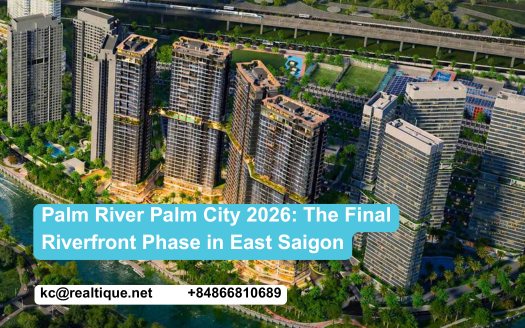 District 2 · Riverfront
 New CBD · Thu Thiem area
 Long An · Township
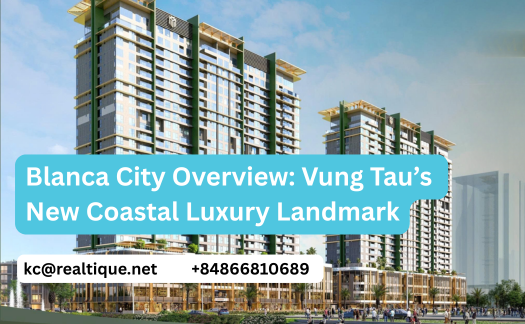 Vung Tau · Coastal
 East Saigon
Taxes and Legal Formalities
Taxes to Consider
- Value-Added Tax (VAT): 10% of the property value.
- Registration Fee: 0.5% of the property value.
- Personal Income Tax (if reselling): 2% of the transaction value.
Notary and Legal Fees (if reselling)
Hiring a notary is mandatory for all property transactions. Fees vary based on the property’s value but typically range between $100 and $500.
Obtaining the Pink Book
The Pink Book is the official ownership certificate in Vietnam. If you are eligible for freehold ownership, this document solidifies your rights. For leasehold properties, it confirms your lease terms.
Buying property in Vietnam as a Viet Kieu can be an exciting and rewarding experience. By understanding the legal framework, choosing the right property, securing financing, and following the proper steps, you’ll be well on your way to owning a piece of your heritage.
If you’re ready to take the next step or need expert advice, contact our team at Realtique. Don’t forget to subscribe to our newsletter for the latest property updates in Vietnam!
Frequently Asked Questions
Can Viet Kieu buy property in Vietnam?
Yes, and on better terms than other foreigners. Under the Land Law 2024, in force since 1 January 2025, an overseas Vietnamese who still holds Vietnamese nationality is treated as a domestic buyer. Someone of Vietnamese origin without Vietnamese nationality buys on foreign-buyer terms instead.
What deposit is needed to reserve a property?
A deposit agreement with the seller normally requires 5% to 10% of the property value. That is followed by the Sale and Purchase Agreement, which sets the payment schedule, the handover terms and the parties’ obligations.
What are the steps from deposit to ownership?
Sign the deposit agreement, then the Sale and Purchase Agreement, then pay according to the agreed schedule, take handover, and finally receive the Pink Book — the government-issued certificate that is the definitive proof of ownership.
Can Viet Kieu get a mortgage from a Vietnamese bank?
Some Vietnamese banks do lend to Viet Kieu. Expect to provide proof of income such as employment contracts or business documents, and collateral. Cash purchases remain the most straightforward route and are preferred by most developers and sellers.
What taxes and fees apply?
Value-added tax of 10% of the property value and a registration fee of 0.5%. On resale, personal income tax is 2% of the transaction value. Notarisation is mandatory for property transactions and carries its own fee, which varies with the property value.
Which cities do Viet Kieu buy in most?
Ho Chi Minh City for rental yield and liquidity, Hanoi for steady appreciation, and Da Nang for coastal second homes. Condominiums are the most common purchase because they are the property type most widely open to overseas buyers.
Ready to Buy in Vietnam? Talk to Realtique
From confirming your rights tier to closing in your own name — we guide overseas Vietnamese end to end.
Start your journey. Leave your name and email — a Realtique specialist will reach out. Or email [email protected].